Step-by-step guide
This guide shows the single steps to perform an evaluation of the OPTIGA™ Authenticate NBT in the BP with offline authentication use case. The scope is the evaluation of the OPTIGA™ Authenticate NBT Development Kit with an Android-based mobile phone.
Prerequisites
The following components have to be available to perform the evaluation:
Android-based mobile phone (Android 11+)
Windows-based development PC
Setting up the mobile phone apps
Set up the NBT Personalization mobile phone app using Android Studio and
install it to the mobile phone (see installation instructions in
NBT Personalization step-by-step guide). Be
aware that the URL needs to be changed to https://github.com/Infineon/optiga-nbt-example-perso-android.git.
Set up the NBT Brand Protection mobile phone app using Android Studio and
install it to the mobile phone (see installation instructions in
NBT Personalization step-by-step guide). Be
aware that the URL needs to be changed to https://github.com/Infineon/optiga-nbt-example-bp-android.git.
Evaluation of the use case
After following the above steps, the mobile phone should be ready for evaluation.
Setup
The main configuration for this use case is the NFC-only tag setup (for personalization and operation). Even though the NBT can be connected to a host MCU via I2C, this is not required for the operation of this use case. So the shield can be used standalone (not plugged into the host MCU board).
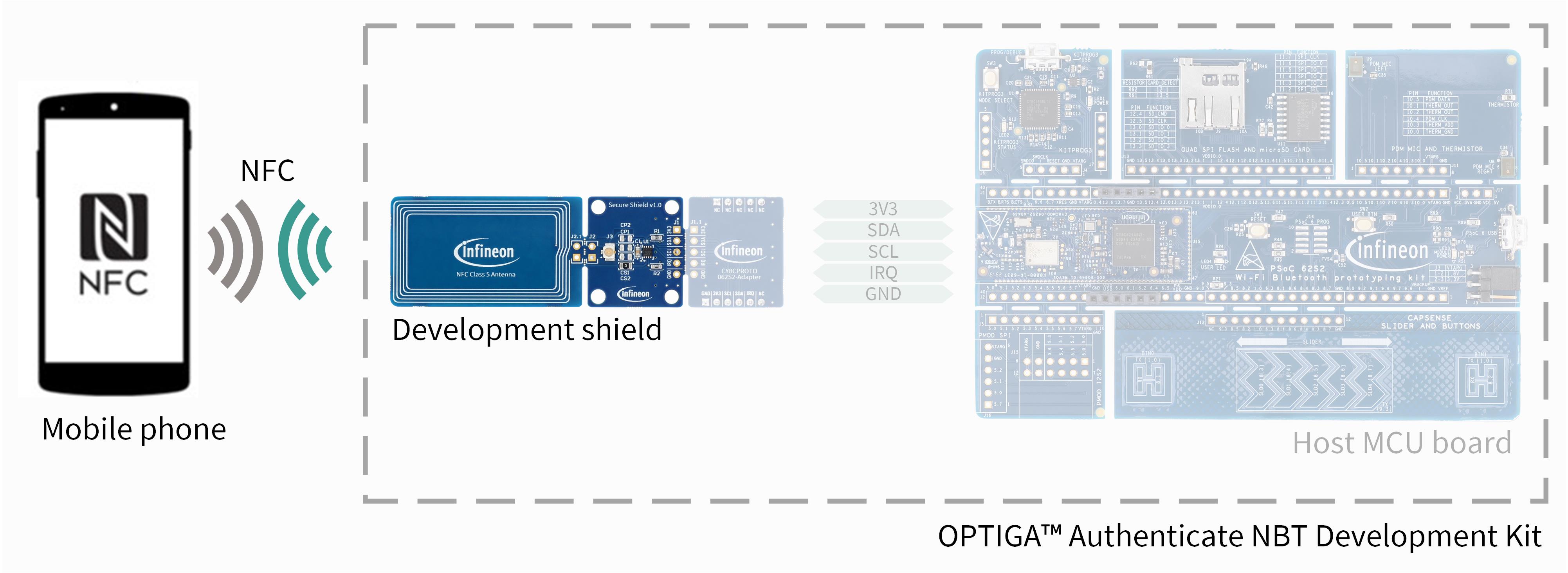
Fig. 51 Hardware setup for evaluation of this use case.
The mobile phone needs the NBT Personalization and the NBT Brand Protection mobile phone apps installed.
Personalization
Start the NBT Personalization mobile phone app and do the following:
Tab the mobile phone to the Development Shield until the phone vibrates
Select
Brand protectionfrom the available interactionsSet the verification server for COTT [1]
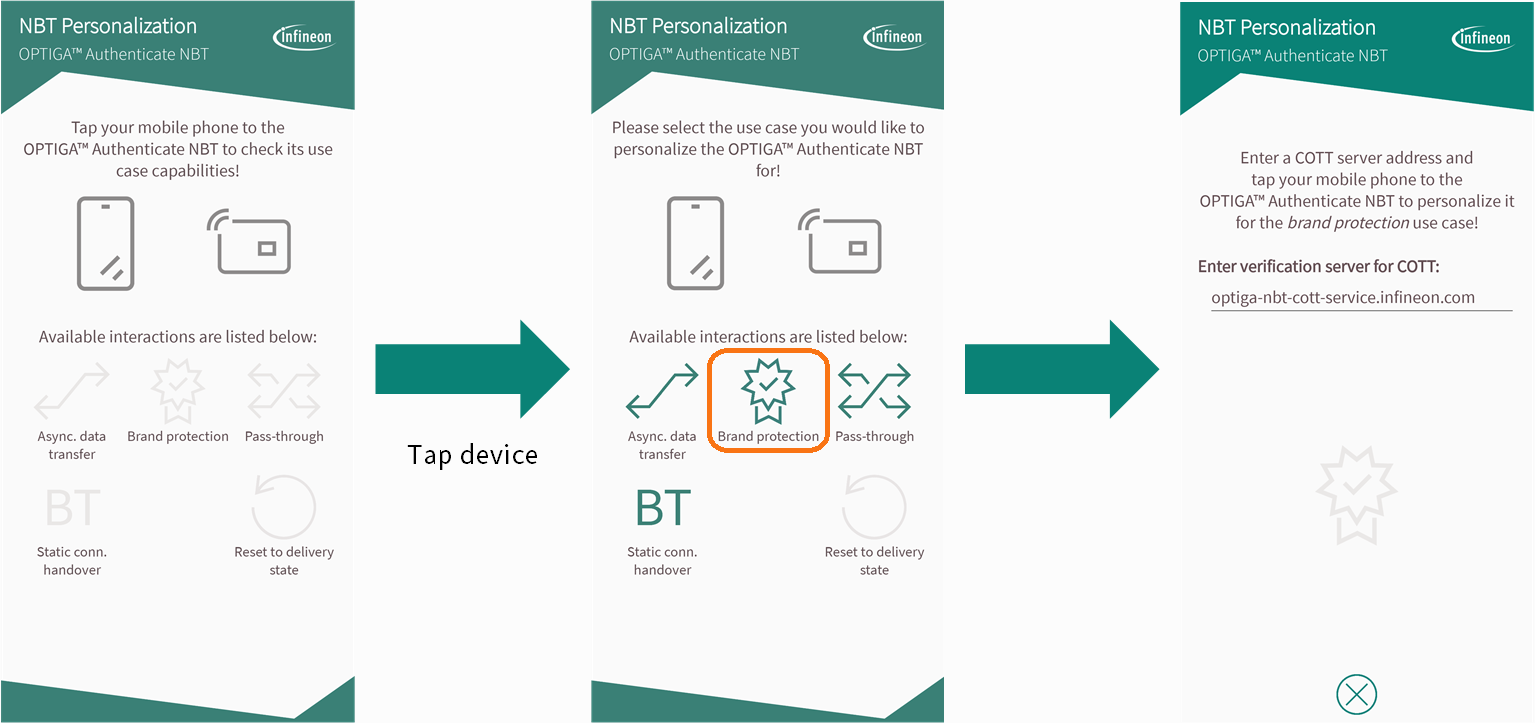
Fig. 52 NBT Personalization mobile phone app user interface.
Authenticity verification
Start the Brand protection mobile phone app. Tap the mobile phone to the Development Shield for a few seconds until the phone vibrates and the verification status changes to one of the two options shown below.
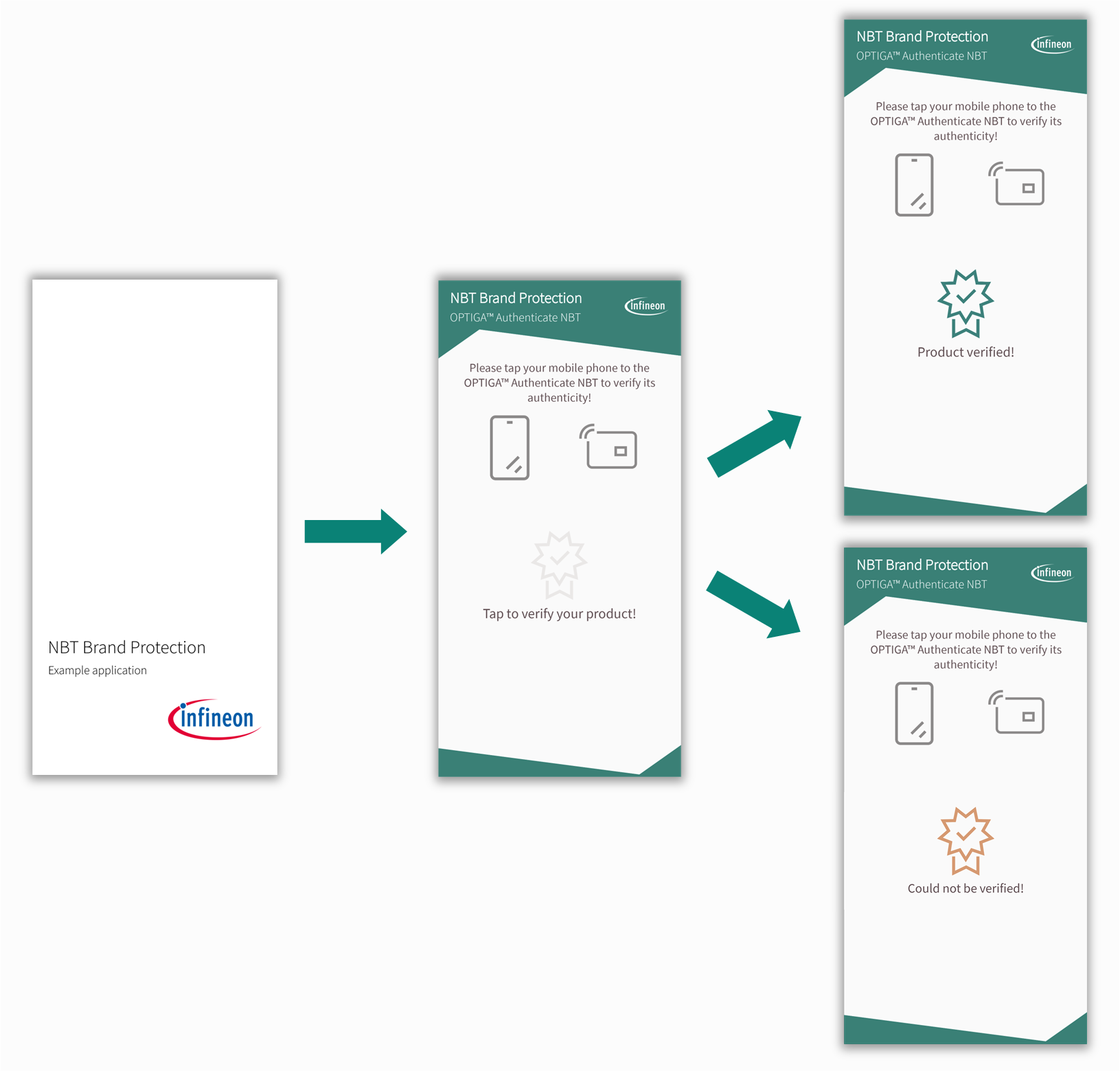
Fig. 53 Brand protection with offline authentication mobile phone app user interface.